Sleep Problems & Disorders
Understand common sleep conditions, recognize symptoms, and learn about available treatment options.
Sleep Problems Are Common,
But Never Normal
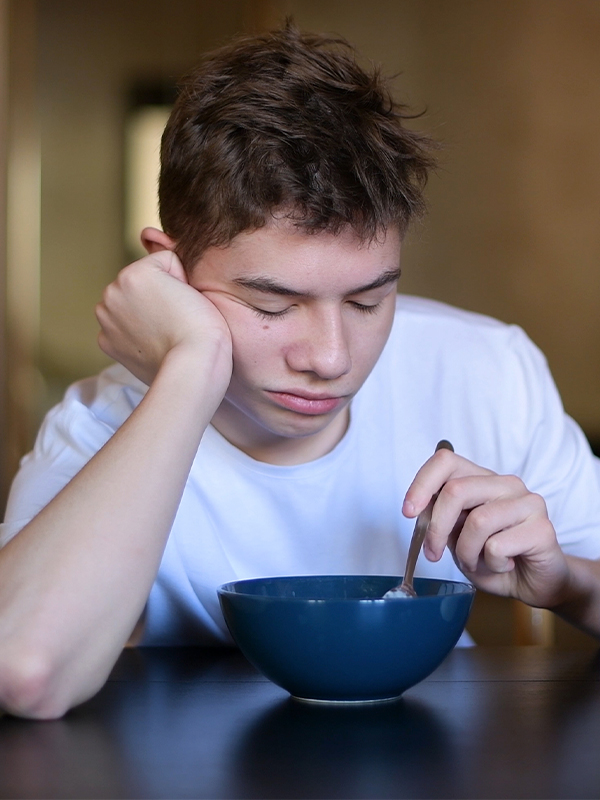
Sleep problems can affect how easily you fall asleep, how well you stay asleep, when you sleep, and how rested and alert you feel during the day. An occasional problem may follow stress, illness, travel, or a change in routine and improve once the situation passes. When symptoms continue, happen repeatedly, or interfere with daily life, they may signal a sleep or circadian disorder that deserves attention.
At WSCN we look at health across all 24 hours, because nighttime sleep and daytime functioning are deeply connected. Use this page to understand sleep problems and how to take ownership of all 24 hours.

What Are You Experiencing?
Choose the experience that feels most relevant to explore possible explanations and related information.
I work night shifts
I’m concerned about my child/teen’s sleep
When Should I Seek Help
Signs & Symptoms of Sleep Disorders
It can be easy to dismiss sleep and circadian symptoms because they are common. If they occur regularly or affect daily life, it may be time to speak to a healthcare provider.
-
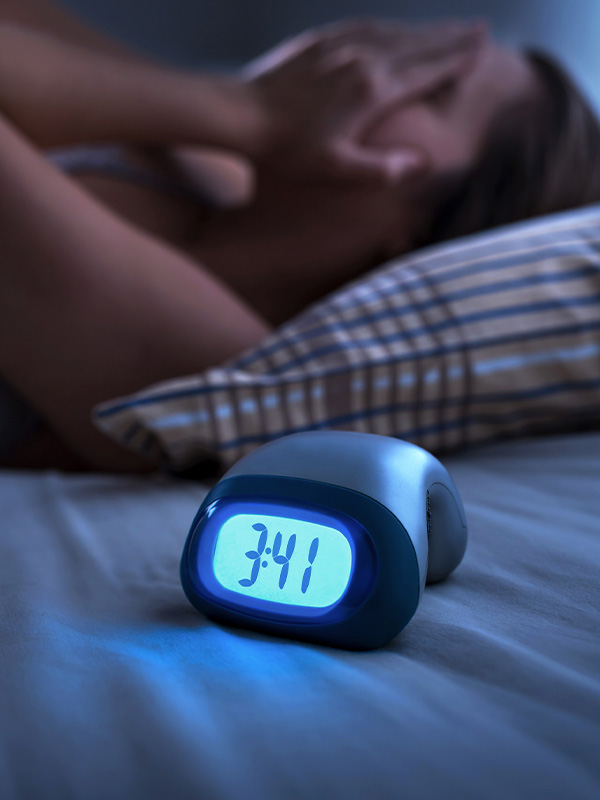
Difficulty falling asleep, staying asleep, or waking too early
-
Waking unrefreshed or struggling to get up
-
Excessive daytime sleepiness, frequent naps, or falling asleep unintentionally
-
Loud snoring, gasping, pauses in breathing, or frequent morning headaches
-
An uncomfortable urge to move your legs/body at night
-
Mood changes, brain fog, memory problems, or difficulty with everyday activities
-
Difficulty sleeping or waking at desired times, or an inconsistent sleep schedule
-
Unusual sleep behaviors, such as sleepwalking, talking, or acting out dreams
-
Sudden muscle weakness triggered by emotions
Recognize any of these signs?
Explore common sleep and circadian problems below to learn
what they may mean and what steps you can take next
Sleep and Circadian Disorders
Explore the categories below to learn more about the different types of sleep disorders.
You will find additional information on specific conditions as you dive in.
click on a card to visit the overview page to learn more about the conditions
Search by Topic
Dive straight into your area of interest below, or search for something specific using the search bar.
Concerned about your sleep?
Don’t ignore the signs.
Sleep and circadian symptoms may be common, but that does not mean they are normal. If you’ve noticed any signs that you might have a sleep or circadian problem, trust your instincts and seek support.
Prepare for the conversation
Pay attention to symptoms that happen regularly, or interfere with everyday life. Keeping a record of when you sleep, how you feel upon waking, your energy and daytime functioning, and any nighttime symptoms can help you identify patterns and explain your concerns.
When is the right time to seek help?
You do not need to know which condition you have—or wait until symptoms become severe—to ask for help. If you are concerned about your health, see a primary care provider and start the conversation.
Take the next step
Learn How Sleep Disorders Are Diagnosed
Diagnosing Sleep & Circadian Disorders
A range of assessment tools, special tests, and diagnostics can help identify sleep and circadian problems.
Common Tests Include:
-
Clinical Evaluation
-
Sleep Studies
-
Actigraphy
-
Blood Tests
-
Specific Diagnostics
Treatment and Management of Sleep Disorders
A range of treatments and management approaches is available for sleep and circadian problems. The right approach depends on your condition, your individual needs, and what current research and clinical best practice recommend. Open, two-way communication with your healthcare provider is essential, along with taking an active role in your care, asking questions, and seeking support when you need it.
Behavioral approaches
Structured techniques can help change thoughts, habits, and routines that may be contributing to sleep or circadian difficulties. Read our CBT-Insomnia Guide
Lifestyle modifications
Changes to your sleep schedule, daily activity, light exposure, diet, or environment may support other treatments for healthier sleep and wake patterns. Read our 10 Tips for Health Sleep Guide
Medical therapies
Medications or other clinical treatments may be recommended based on the condition, your medical history, and the latest evidence. Some medications treat the disorder whilst others treat symptoms to help you feel and live better
Devices
Specialized devices may support breathing, such as CPAP machines or nasal splints, or they may address other physical factors affecting sleep, such as a mouthguard for bruxism.
Ongoing management
Regular monitoring, follow-up appointments, and treatment adjustments can help you manage symptoms as your needs change. Requesting accommodations and extra support can also help.
For more information about treatment and management approaches
for a specific sleep or circadian condition, visit that condition’s page.
Sleeping and Wellness
Living well with a sleep or circadian condition involves understanding your needs, building supportive routines, and finding practical ways to protect your health and quality of life. At WSCN we encourage everyone to take ownership of their health all 24 hours of the day.
Helpful approaches can include:
Healthy routines:
Consistent sleep, activity, light exposure, and meal patterns can support your treatment and overall wellbeing.
Managing daytime symptoms:
Planning around fatigue, sleepiness, or changes in concentration can make everyday activities safer and more manageable.
Emotional wellbeing:
Caring for your mental health can help you cope with the emotional and social effects of ongoing symptoms.
Communication and support:
Talking openly with family, friends, employers, educators, and healthcare providers can help others understand your needs.
Self-advocacy:
Asking questions, doing research, and requesting appropriate support or accommodations can help you take an active role in your care.
Ongoing adjustment:
Your needs may change over time, so continue reviewing what is working and seek additional support when needed.
Additional Learning
Explore related content to help build your understanding of sleep and circadian conditions, and how you can Own All 24 Hours.
Patient Stories
Real-life experiences of living with sleep problems
Useful Resources
Download tools, lists and info sheets to help you
Whole Body Health
Learn how other health conditions impact sleep