
Sleep Problems & Disorders
Narcolepsy
Narcolepsy is a chronic neurological sleep disorder that affects the brain’s ability to regulate sleep and wakefulness. People with narcolepsy often feel intensely sleepy during the day, even after what seems like enough sleep at night.
Narcolepsy is not laziness, poor motivation, or simply “being tired.” It is a medical condition that can affect both nighttime sleep and daytime functioning. With the right diagnosis, treatment plan, accommodations, and support, many people with narcolepsy can better understand their symptoms and build a life that works with their body.
Overview
- Narcolepsy causes excessive daytime sleepiness and disrupted sleep-wake regulation
- Symptoms can include sleep attacks, vivid dream-like experiences, sleep paralysis, fragmented nighttime sleep, and in some people, cataplexy
- Cataplexy is a sudden loss of muscle tone triggered by emotions such as laughter, surprise, anger, or excitement
- Narcolepsy is diagnosed and classified as either Type 1or Type 2
- Diagnosis often requires a sleep specialist evaluation, an overnight sleep study, and a daytime nap test called a multiple sleep latency test
- Treatment may include medication, planned naps, safety planning, daily rhythm support, school or workplace accommodations, and mental health support
About narcolepsy
Narcolepsy is a central disorder of hypersomnolence. “Hypersomnolence” means excessive sleepiness that is strong enough to interfere with daily life. “Central” means the problem comes from sleep-wake regulation in the brain, rather than from not allowing enough time for sleep.
In narcolepsy, the boundary between wakefulness, non-REM sleep, and REM sleep can become unstable. REM sleep is the stage of sleep often linked with vivid dreaming and temporary muscle relaxation. Some narcolepsy symptoms, such as sleep paralysis, hallucinations when falling asleep or waking up, and cataplexy, reflect REM-like features appearing at unusual times.
Narcolepsy is commonly grouped into two main types:
- Narcolepsy type 1: Narcolepsy with cataplexy, or narcolepsy associated with low levels of orexin, also called hypocretin. Orexin is a brain chemical involved in stabilizing wakefulness
- Narcolepsy type 2: Narcolepsy without cataplexy, where orexin levels are usually not known or are not clearly low
Narcolepsy can begin in childhood, adolescence, or adulthood. It is often missed because daytime sleepiness can be mistaken for poor sleep habits, depression, lack of effort, attention problems, or an overly-busy schedule. Many people experience symptoms for years before receiving the right diagnosis. The average delay between symptom onset and diagnosis is 8 – 10 years.
Signs and symptoms
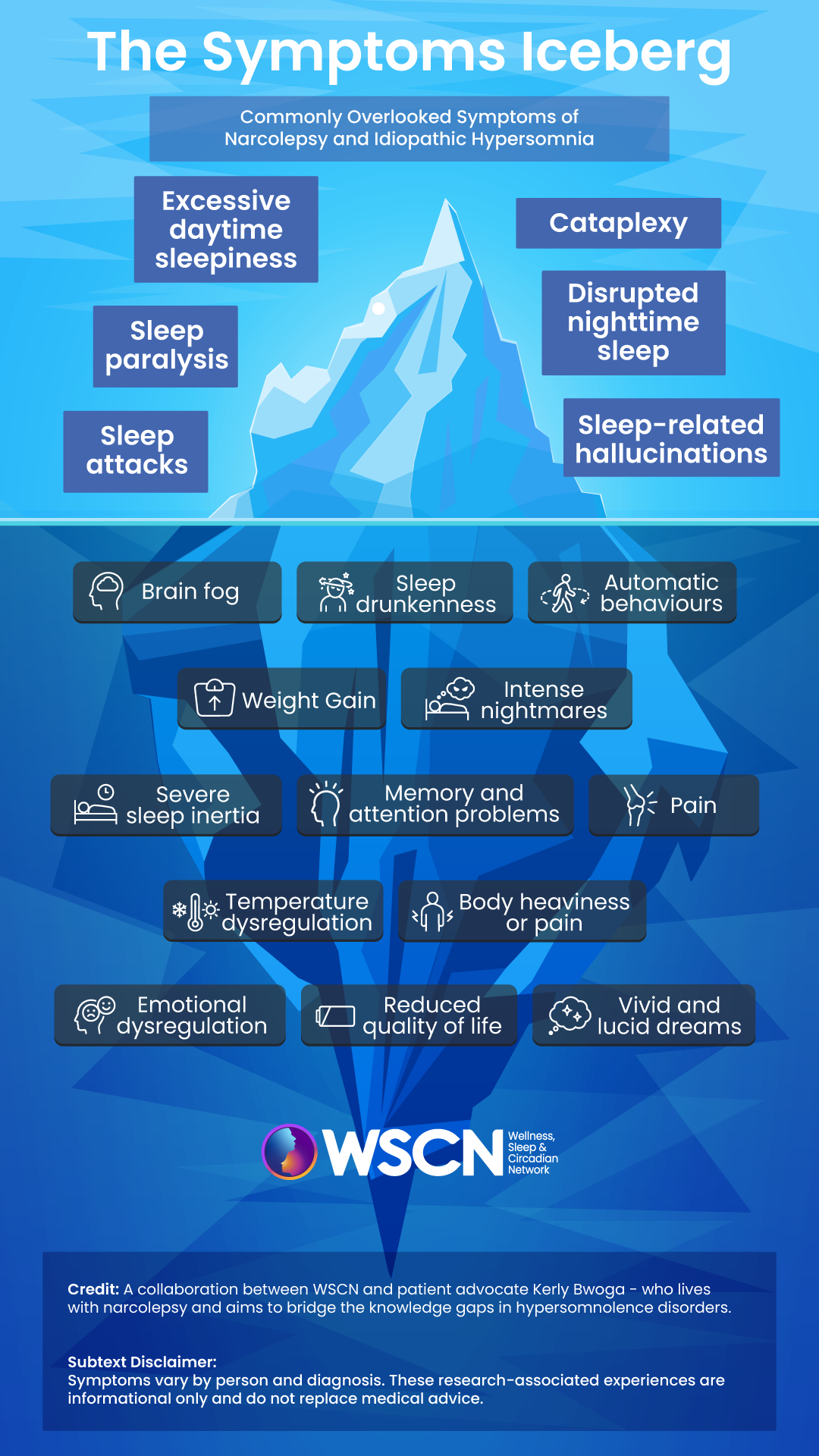
Narcolepsy symptoms vary from person to person, and symptoms may fluctuate. Some people have dramatic symptoms, while others have symptoms that are subtle, gradual, or easy to explain away. Narcolepsy affects more than nighttime sleep. It shapes the entire 24-hour day.
Daytime symptoms
The core symptom of narcolepsy is excessive daytime sleepiness. This can feel like an overwhelming need to sleep, a heavy fog, or repeated difficulty staying alert during ordinary activities.
A person may experience:
- Sleep attacks, or sudden episodes of falling asleep
- Unrefreshing or only briefly refreshing naps
- Difficulty concentrating or staying engaged
- Automatic behaviors, where a person continues an activity with little awareness or memory
- Drowsy driving or safety concerns
- Mood changes, irritability, anxiety, depression, or frustration related to symptoms
Cataplexy
Cataplexy is a sudden loss of muscle tone while awake. It is usually triggered by emotion, especially laughter, surprise, excitement, anger, or stress.
Cataplexy can look different for different people. It may involve drooping eyelids, facial weakness, jaw slackening, head nodding, slurred speech, buckling knees, weakness in the arms or hands, or collapse while remaining conscious.
Cataplexy is not the same as fainting or a seizure. The person is typically aware of what is happening but may not be able to move or speak during the episode.
Sleep-related symptoms
Narcolepsy can also affect the transition into and out of sleep.
Symptoms may include:
- Sleep paralysis: being temporarily unable to move or speak when falling asleep or waking up
- Hypnagogic or hypnopompic hallucinations: vivid dream-like experiences when falling asleep or waking
- Fragmented nighttime sleep: frequent awakenings or restless sleep, even when daytime sleepiness is severe
- Vivid dreams or nightmares
- Difficulty keeping a consistent sleep-wake schedule
Screening and diagnosis
A healthcare professional may consider narcolepsy when a person has persistent excessive daytime sleepiness, especially if symptoms include cataplexy, sleep paralysis, vivid hallucinations while falling asleep or waking up, or repeated sleep attacks.
Evaluation may include:
- Medical history and symptom review
- Sleep schedule review
- Medication and substance review
- Screening for other sleep disorders
- Sleep diary or sleep logs
- Actigraphy, which uses a wearable monitor to estimate sleep-wake patterns
- Overnight polysomnography, also called a sleep study
- Multiple sleep latency test, often called an MSLT, a daytime sleep study that measures sleep patterns during naps
- In some cases, orexin testing through cerebrospinal fluid testing, known as a “spinal tap”
The overnight sleep study helps evaluate sleep quality and look for conditions such as obstructive sleep apnea or periodic limb movements. The MSLT is performed the next day and measures how quickly a person falls asleep during several nap opportunities and whether REM sleep appears unusually quickly.
Diagnosis can be complicated if someone is sleep deprived, working irregular schedules, taking certain medications, using substances that affect REM sleep, or living with another sleep or mental health condition. A sleep specialist can help interpret results in context.
When to talk with a healthcare professional
A person does not need to know the name or exact nature of a condition before asking for help. If a person experiences any of the symptoms above, it is appropriate to discuss them with a healthcare professional.
Red Flag: Seek urgent medical care if symptoms or sleep loss are affecting a person’s ability to drive or work safely, or are causing severe distress or thoughts of self-harm.
What to bring to a doctor’s visit
A primary care physician is a good place to start for a sleep disorder evaluation. They can conduct preliminary screenings and recommend next steps for diagnosis. It can be helpful to bring information to an initial visit: try using WSCN’s How to talk to your primary care clinician about sleep problems checklist.
Causes, risk factors, and health implications
Causes and risk factors
Narcolepsy can affect people of any gender, background, or age. Symptoms often begin during adolescence or young adulthood, but diagnosis may happen much later.
Narcolepsy type 1 is linked to loss of orexin-producing neurons in the brain. Researchers believe immune-related processes may play a role in many cases, although the full explanation is still being studied. The causes of narcolepsy type 2 are unknown.
Factors that may be relevant for both types include:
- Family history
- Immune system factors
- Certain genetic markers that affect susceptibility
- Infections or immune triggers in some cases
- Brain injury
- Sleep deprivation, irregular schedules, or untreated sleep disorders that can worsen symptoms or complicate diagnosis
Narcolepsy is not caused by a lack of willpower, bad habits, or choosing to sleep too much. It is a neurological sleep disorder that should be taken seriously. People with narcolepsy can greatly benefit from treatment and lifestyle supports.
Long-term health implications
If narcolepsy is untreated or undertreated, it can lead to serious chronic health conditions:
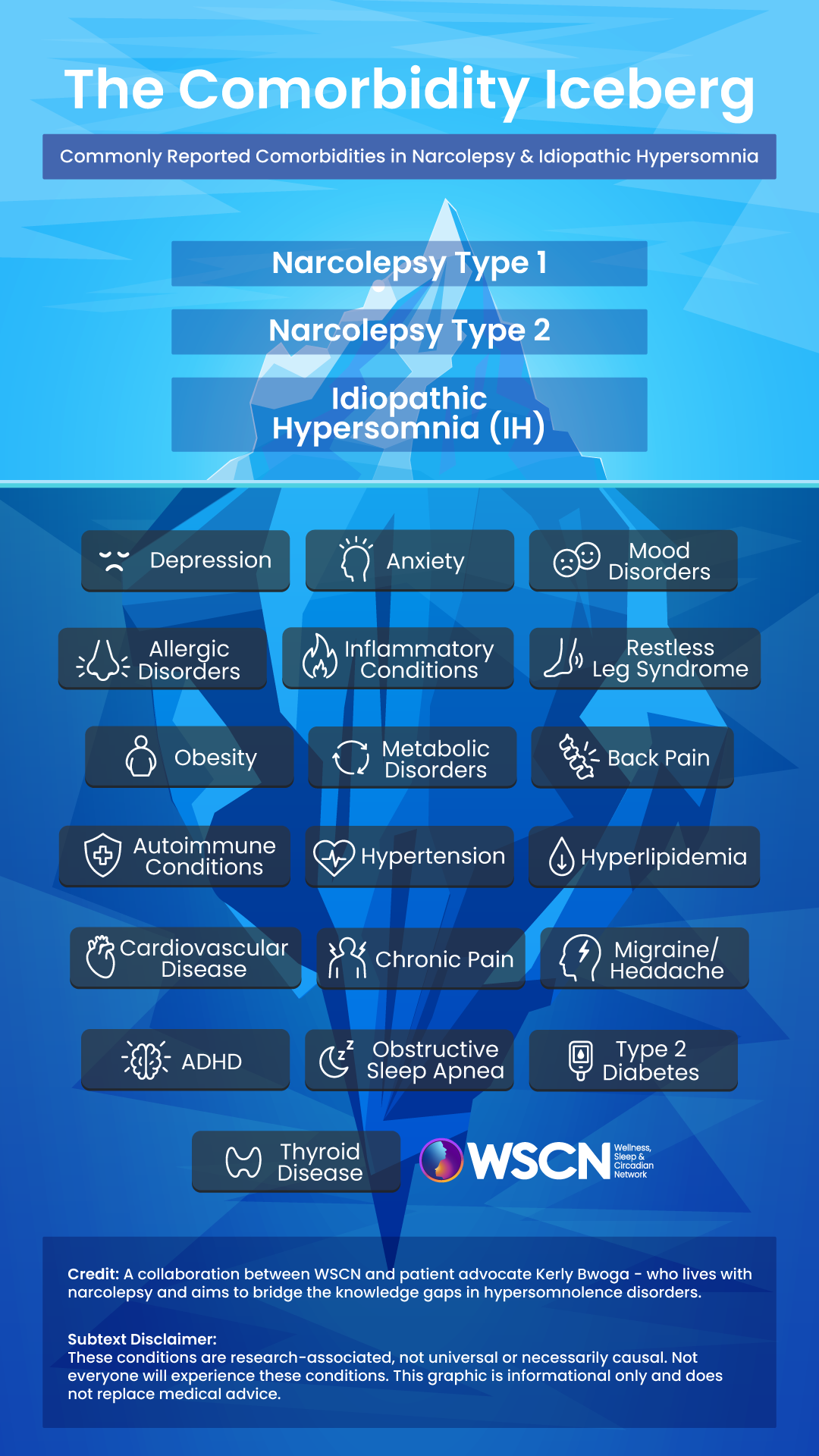
- Cardiovascular risk. Narcolepsy has been associated with increased cardiovascular and cardiometabolic comorbidities, including high blood pressure, heart attack, stroke, and heart failure.
- Metabolic problems. People with narcolepsy have higher reported rates of obesity, diabetes, dyslipidemia, and metabolic syndrome compared with people without narcolepsy.
- Mental health and quality of life. Ongoing excessive daytime sleepiness, disrupted nighttime sleep, and misunderstood symptoms can contribute to depression, anxiety, stigma, social isolation, and reduced quality of life.
- Safety risks. Untreated sleepiness can lead to falling asleep in unsafe ways during daily activities, including eating, working, or driving.
- Other sleep disorders and health conditions may be missed. People with narcolepsy can also have other sleep disorders, such as obstructive sleep apnea, which may add to cardiovascular and metabolic risk if not recognized and treated.
These links do not mean narcolepsy causes these conditions in every person. They do mean that narcolepsy deserves care and should be considered part of whole-person, 24-hour health.
Treatment and management
Narcolepsy treatment is individualized. The goal is not only to reduce sleepiness, but also to support safety, functioning, independence, emotional wellbeing, and participation in everyday life.
Treatment may include medication and non-medication strategies.
Medication options
A clinician may consider medications that support wakefulness, reduce cataplexy, improve nighttime sleep, or address REM-related symptoms. Medication choices depend on many factors. People should work with a qualified healthcare professional to choose and adjust treatment. Medication should not be started, stopped, or changed without medical guidance.
Medication options for narcolepsy include:
- Orexin Agonists: In August 2026, the first orexin agonist drug, ORZEYFUL, was approved by the FDA to treat narcolepsy type 1. This approach is particularly promising, as it addresses the underlying cause of narcolepsy type 1, a deficiency of orexin (hypocretin). This new treatment could become a first-line intervention in cases of type 1 narcolepsy, but it is in the early stages of release to the public.
- Wakefulness Drugs: Drugs that promote wakefulness, such as modafinil (Provigil), are often a first-line of treatment, as it has fewer side effects and addictive potential than stimulants.
- Stimulant Drugs: Stimulants such as solriamfetol (Sunosi), pitolisant (Wakix), amphetamines, or methylphenidate (Ritalin) are another option to help promote daytime wakefulness.
- Sodium Oxybate: This drug can be used to treat excessive daytime sleepiness, as well as cataplexy.
- Antidepressants: Antidepressants, especially selective serotonin reuptake inhibitors (SSRIs), can help some narcolepsy patients address cataplexy, hallucinations, and sleep paralysis.
Narcolepsy is a real neurological condition with physiological causes. Diagnosis and treatment interventions can help replace blame with understanding and open the door to accommodations, community, and better quality of life.
Daily management strategies
Because narcolepsy affects both sleeping and waking life, it is important to build support around the whole 24-hours, not only bedtime. A person with narcolepsy may need to plan daily activities around alertness windows where possible, and use medication timing and naps to help meet scheduled obligations. This can include:
- Planning short, strategic naps
- Following a consistent sleep-wake schedule when possible
- Protecting adequate nighttime sleep opportunity
- Managing light exposure and daily timing cues like movement, meals, and routines to support wakefulness
- Building routines around high-alertness and low-alertness periods
- Creating a safety plan for driving, cooking, childcare, etc
- Recognizing the emotional burden of living with an invisible condition, and accessing mental health support for coping strategies, grief, anxiety, depression, stigma, or isolation
- Limiting alcohol or sedating substances/medications when relevant
- Education for family, teachers, employers, and care teams
- Asking for accommodations at school or work
- Joining a support group to share and learn with others
Narcolepsy management is not about forcing the body to act like everyone else’s. It is about understanding the individual’s sleep-wake capacity and creating realistic supports.
Safety planning
Safety planning is an important part of narcolepsy care. This may include a plan for:
- Driving
- Cooking
- Swimming
- Heights
- Operating machinery
- Caring for children
- Working long shifts or overnight schedules
- Medication timing and alertness monitoring
Driving guidance should be discussed with a healthcare professional and should follow local laws and medical recommendations.
School and workplace accommodations
Narcolepsy is covered under the Americans with Disabilities Act (ADA) and the Individuals with Disabilities Education Act (IDEA). People with narcolepsy can ask for reasonable accommodations, which can reduce shame and improve safety and performance. Examples may include:
- Scheduled nap breaks
- Flexible start times
- Breaks or movement opportunities during long meetings or classes
- Recorded lectures or meeting notes
- Exam and assignment accommodations
- Modified shift schedules
- Remote or hybrid options where possible
- Access to a quiet rest space
- Clear safety protocols for high-risk tasks
Research and what we are still learning
Narcolepsy research is helping scientists better understand the immune system, orexin signaling, REM sleep regulation, symptom variability, delayed diagnosis, quality of life, and new treatment approaches.
Areas of active interest include:
- Earlier recognition and diagnosis
- Better tools for measuring sleepiness and daily functioning
- The role of orexin in causing narcolepsy type 1 and treatments that target orexin pathways
- How narcolepsy affects children, teens, families, and caregivers
- Mental health and social impacts of living with narcolepsy
Research matters because narcolepsy affects every part of daily life, and people living with the condition deserve treatments and systems of care that reflect that reality.
American Academy of Sleep Medicine. (2023). International classification of sleep disorders (3rd ed., text rev.). https://aasm.org/clinical-resources/international-classification-sleep-disorders/
National Heart, Lung, and Blood Institute. (n.d.). Narcolepsy. https://www.nhlbi.nih.gov/health/narcolepsy
National Institute of Neurological Disorders and Stroke. (n.d.). Narcolepsy. https://www.ninds.nih.gov/health-information/disorders/narcolepsy
Scammell, T. E. (2015). Narcolepsy. The New England Journal of Medicine, 373(27), 2654–2662. https://doi.org/10.1056/NEJMra1500587
Thorpy, M. J., & Bogan, R. K. (2020). Update on the pharmacologic management of narcolepsy: mechanisms of action and clinical implications. Sleep Medicine, 68, 97–109. https://doi.org/10.1016/j.sleep.2019.09.001
ORZEYFUL (oveporexton) FDA Approval: The First Orexin Agonist for Narcolepsy, https://project-sleep.com/orzeyful-fda-approval/
Kwon Y, Gami AS, Javaheri S, et al. Cardiovascular Risks in People With Narcolepsy: Expert Panel Consensus Recommendations. J Am Heart Assoc. 2024 Aug 20;13(16):e035168. doi: 10.1161/JAHA.124.035168. Epub 2024 Aug 9. PMID: 39119988; PMCID: PMC11963943. https://pmc.ncbi.nlm.nih.gov/articles/PMC11963943/
Jennum P, Ibsen R, Knudsen S, Kjellberg J. Comorbidity and mortality of narcolepsy: a controlled retro- and prospective national study. Sleep. 2013 Jun 1;36(6):835-40. doi: 10.5665/sleep.2706. PMID: 23729926; PMCID: PMC3649826. https://pmc.ncbi.nlm.nih.gov/articles/PMC3649826/
Hsu CW, Yang YS, Chen YB, et al. All-Cause and Cause-Specific Mortality Among Patients With Narcolepsy. JAMA Netw Open. 2025 Oct 1;8(10):e2536771. doi: 10.1001/jamanetworkopen.2025.36771. PMID: 41066120; PMCID: PMC12511998. https://pmc.ncbi.nlm.nih.gov/articles/PMC12511998/
This article is for educational purposes only and is not intended to replace professional medical advice, diagnosis, or treatment. Speak with a qualified healthcare professional about questions or concerns related to your sleep. Read full medical disclaimer
Related pages
External resources
-
American Academy of Sleep Medicine Sleep Education Website
-
Project Sleep
-
PWN4PWN (People with Narcolepsy for People with Narcolepsy)
-
Narcolepsy Network, Inc
-
Wake Up Narcolepsy
-
National Sleep Foundation, Living with Narcolepsy
-
National Institute of Neurological Disorders and Stroke: Narcolepsy information
-
Naps for life (UK)
