News
WSCN attends SLEEP 2026
Every year the American Academy of Sleep Medicine (AASM) and the Sleep Research Society (SRS) convene a global conference on sleep. This year the conference was hosted in Baltimore, Maryland, USA.
What was our experience?
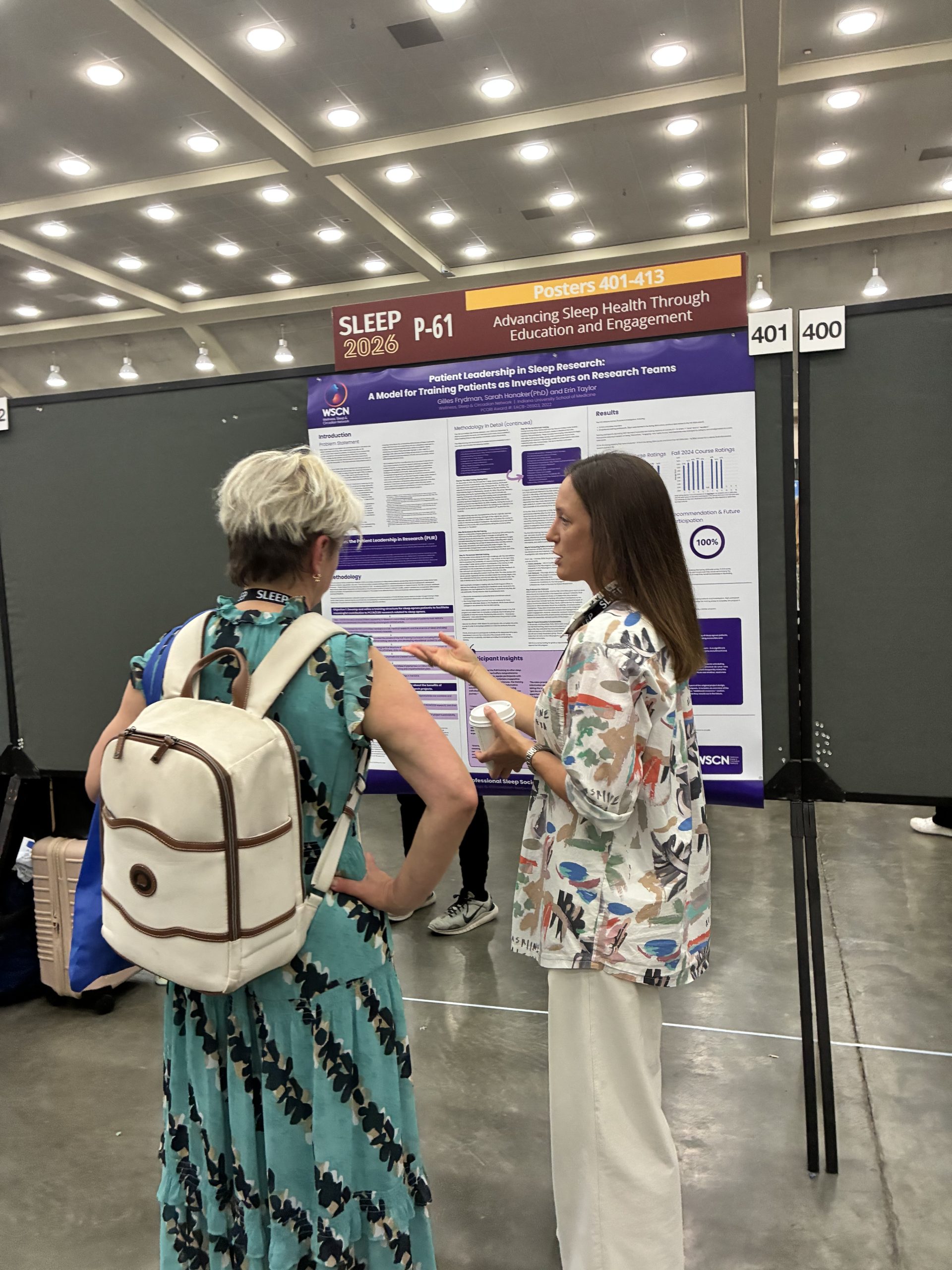
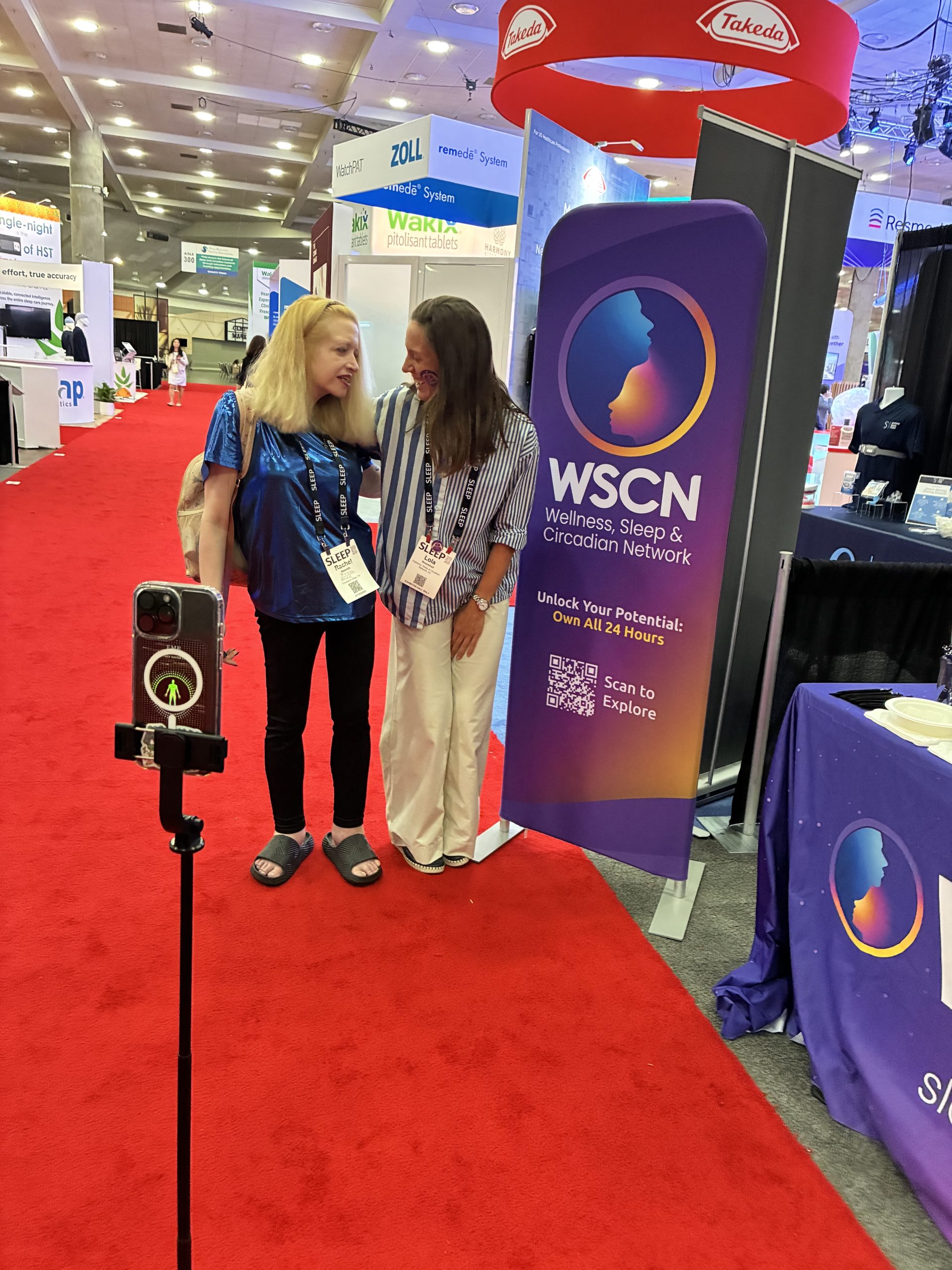
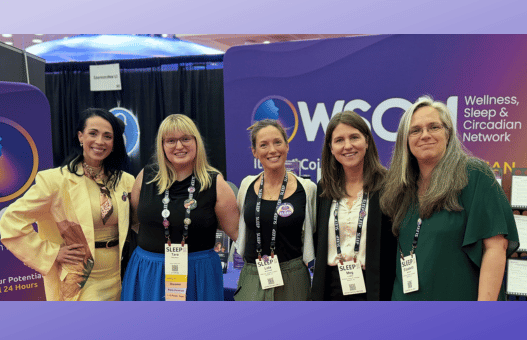
We sent three staff members and partnered with PWN4PWN to support nine patient advocates at the event. Additionally, three of our board members participated in WSCN activities. Our booth in the main exhibit hall was surrounded by leading organizations in sleep health, technology, device manufacturing, pharmaceuticals, research, and advocacy. Over the course of four days, our staff delegates engaged attendees in conversations about WSCN’s work, key programs, and future goals. Our booth was a hub of activity—our swag, including stickers, tattoos, brochures, CPAP assistance flyers, and pens, drew many repeat visitors. Meanwhile, our COO, Meg Langley, attended important stakeholder meetings to raise awareness of our organization and secure support for future operations.
Our patient advocates participated in roundtable discussions, representing individuals with sleep disorders such as narcolepsy and sleep apnea. They engaged with clinicians and researchers, sharing their lived experiences and helping to elevate the patient voice within the medical community.
We connected with individuals from across the medical ecosystem, learning about the challenges they and their patients encounter. We gathered valuable insights on healthcare and knowledge gaps, and shared WSCN’s efforts to address sleep and circadian health issues. This experience allowed us to identify key areas of importance and generate a list of ideas to add value and amplify our impact. More broadly, meeting in person enabled us to forge fresh relationships within the sleep and circadian community, and we are excited about our new partnerships in development for 2026 and beyond.
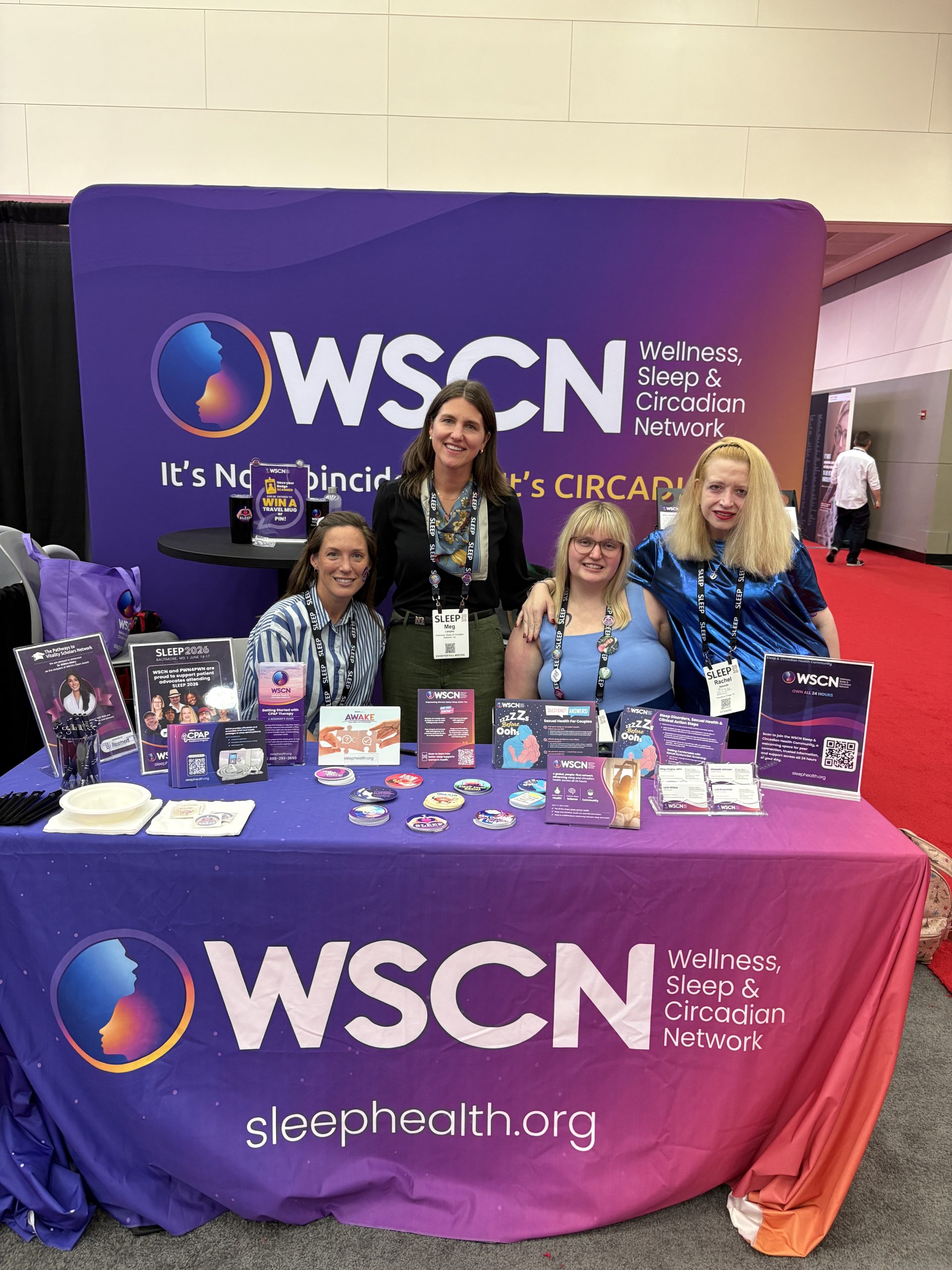
Lola Broomhall, Meg Langley, Tara O’Connor and Rachel Nesmith (Patient Advocate) at the WSCN booth.
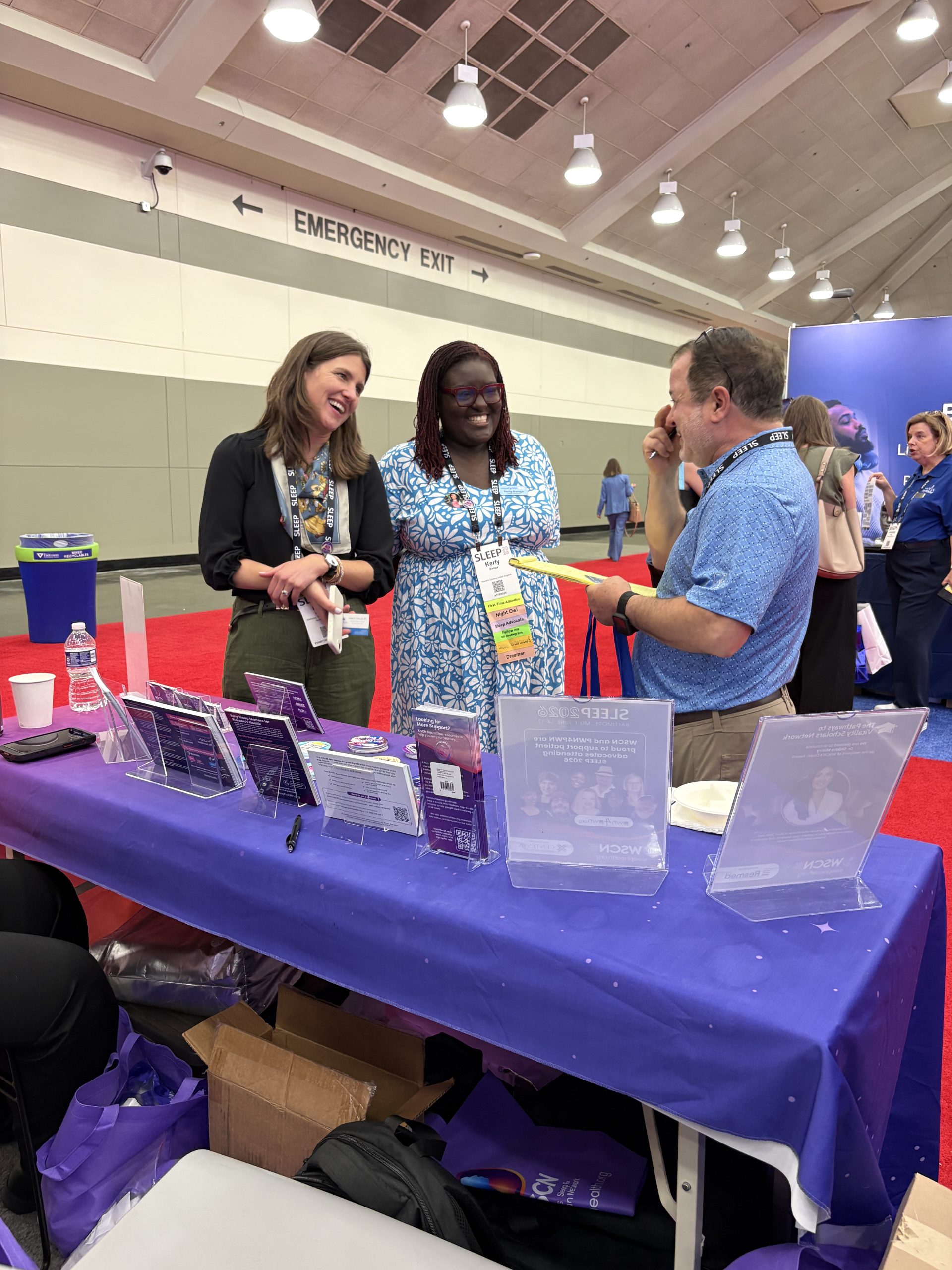
Important Insights
- Clinicians are seeking patient educational materials to help them deliver better sleep medicine care
- Many clinicians reported cost/lack of insurance as a barrier for patients to access therapy
- Pediatric and adolescent sleep health and hygiene is a priority area for AASM and a concern for many clinicians, parents, and educators
- There is excitement about a new class of drugs, orexin receptor agonists, that are showing significant benefits for people with narcolepsy and other sleep-wake disorders
- People are beginning to talk about sleep AND circadian rhythms, not just sleep in isolation
- We need to continue to advocate for patient voices in research at all levels
Key Takeaways
- We learned that the WSCN CPAP Assistance program is more important than ever – helping patients access their own machines for only $200. We felt invigorated by the fact that our programs can materially change people’s lives!
- There are many exciting new advances in wearable sleep-tracking technology, gadgets, and clinical tests, and we are eager to see how they influence health outcomes.
- We heard from many that there is a gap in clinical training and patient education, and this remains an impactful way to improve population-level sleep health. Teenagers and young adults transitioning to independent living are experiencing sleep problems, but are grossly underserved and undereducated. The AASM has identified this as a priority topic for intervention; WSCN plans to act on this information and collaborate with partner organizations to develop key resources in this area.
- Many social determinants affect sleep equity in the US. This creates significant challenges for clinicians who are trying to make a difference to people’s health. We need systematic change from government policies and research priorities all the way down to people’s individual thoughts and beliefs about sleep health and lifestyle.
- Patient voices are essential for driving meaningful change across systems – WSCN recognizes this and is striving to elevate patient advocacy through our Pathways to Vitality Scholars Network and PLIR programs.
- People in the sleep medicine community are increasingly understanding the importance of owning all 24 hours, and considering the whole human when addressing sleep disorders. We are excited to see this evolution in thinking, and equally excited to see our message spreading.
In Summary
We left SLEEP 2026 inspired, educated, challenged, and motivated to keep working hard on all that we do. We felt vindicated in our mission, and empowered to keep pushing forward with our programs and activities.
Anne Marie Morse, Tara O’ConnZor, Lola Broomhall, Meg Langley, Liz Johnson, Solomon Briggs (patient and artist).
An important note:
These are intended to be helpful tips for improving sleep, circadian and overall health and wellness. However, this guidance is provided for educational purposes only and does not constitute medical advice. If you have concerns or think you have a sleep problem, please consult your health practitioner for personalized assessment and treatment. Read full medical disclaimer