
About the author
When we think about ways to get better sleep, we might think about all the things that we are constantly told: “Avoid caffeine. No screen time. Get the right amount of sleep”. And whilst these recommendations are true, they fail to capture the fact that supporting our best sleep actually begins the moment we wake up.
Every aspect of wellness can shape our sleep: our social connections, what we eat, how we move, the way we balance our to-do lists and our leisure time, and even the spaces in which we spend time. The reality is that the relationship between day and night is as intimately connected as bed partners (pun intended!). The quality, quantity, and regularity of sleep shape who you wake and emerge from bed, and how you feel and function for the rest of the day. That’s why at WSCN we are here to make sure you have smart sleep tips that focus on your whole day, not just your nighttime routine. We want you to feel empowered to own all 24 hours!
If you find yourself struggling to recharge, remember that even small changes can have a big impact. Here are ten habits to help you truly own your time, so you can use all 24 hours to move from surviving — to fully and happily thriving.
1. Optimize your daytime habits and routine: own all 24 hours
“In order for you to live to your fullest potential — meaning you achieve optimal health and wellness — you need to conscientiously think about how you are using all 24 hours. Make every single one of them matter, because you matter.”
When you approach your full 24 hours with intention, you set yourself up for a vibrant, thriving life and a great night’s sleep! By being purposeful about your social connections, nutrition, movement, self-care, and environment, you give yourself the best chance to be your best self. Remember: rest is the fuel that powers everything you do, and every hour — day or night — is an opportunity to invest in your own well-being. Own your time, prioritize what makes you feel great, and use these habits to help you live, thrive, and not just merely survive.
2. Strive to wake up on the bright side of the bed
Each morning we wake up with a choice about how we meet the day. While many things are outside our control, our attitude and approach are within it. Even if the morning start feels tough (multiple snoozes, wishing for more sleep, or waking with dread about the day ahead), that beginning does not have to dictate what comes next. We can slip into a victim mindset and predict a miserable day, or we can give ourselves some grace, choose gratitude, and treat the day as a fresh opportunity to build, grow, and be better.
It’s completely understandable that it may not feel like “rainbows and sunshine” after a poor night’s sleep, but leaning into feeling awful and carrying that mood often spills into the rest of the day, and may set up another poor night—creating a vicious cycle. An occasional bad night is no big deal, but if poor sleep and tough mornings are becoming the rule rather than the exception, take it as a call to action: start observing what might be contributing across your full 24 hours. Take ownership where you can, and make changes that support the best version of you.
3. Fuel wisely: nourish your body for better rest
The foods we eat, the time we eat them, and the amount of food we eat are all very powerful circadian cues. Our relationship with food shapes who we are, how we perform, how we feel, and of course how we sleep.
Consuming heavy or hard-to-digest foods can make it harder to fall or stay asleep — particularly foods high in fat or spice. Timing of meals also matters. Research shows that eating within 3 hours of bedtime can contribute to more fragmented sleep. Allowing time between your last meal and going to bed is associated with better sleep quality. Intermittent fasting strategies may also be helpful. A light snack may be okay if you’re hungry, but if that becomes a habit, consider looking at your patterns across the day. You might not be fuelling properly at dinnertime if you’re looking for late-night snacks before bed.
Pay attention to your body’s needs and adjust accordingly. Of course there may be health or medical reasons for eating choices — so always consult with your medical practitioner about what is best for you.

4. Time it right: caffeine can be friend or foe
Caffeine can be a useful tool for some who have a “sleepy slump” in the day. It helps to temporarily limit the impact of sleep drive on the desire to nap, and can improve mood and focus. However, too much caffeine overall, and drinking it too close to bedtime, can affect your ability to get a good night’s sleep. It is important to figure out how many cups you can enjoy in a day, and when to have your last cup. A systematic review and meta-analysis found that caffeine consumption reduced total sleep time by 45 minutes and sleep efficiency by 7%, with an increase in sleep onset latency of 9 minutes. To avoid reductions in total sleep time, coffee (approximately 100 mg in a small 8 oz coffee) should be consumed about 8 hours before bedtime. As a guide — if your bedtime is 10 pm, you should consider having your last caffeinated drink around 12–2 pm. Note that many American coffee shops sell “tall” style drinks with multiple shots of coffee, bumping the dosage from ~100 mg to ~300 mg or more. That “one” coffee might be the equivalent of three, and the reason you are having trouble sleeping.
A helpful point to reflect upon: if you’re depending upon coffee or caffeinated drinks in the late afternoon to “get through” the day, it could be causing a vicious cycle of sleep disruption by impacting the quality of your nights. Consider moving your caffeine intake to mornings only.
5. Move with purpose: exercise regularly, but not right before bed
Regular moderate-level exercise on several days per week will help you feel good and sleep better in general. Physical activity generally improves sleep regardless of its timing. But take note: a large study of over 14,000 physically active individuals found that later exercise timing and higher exercise strain were associated with delayed sleep onset, shorter sleep duration, and lower sleep quality. Exercise bouts ending at least 4 hours before sleep onset were not associated with changes in sleep. If you notice it’s harder to fall asleep after an evening exercise session, try moving your workout to earlier in the day. Additionally, good quality sleep helps you get the most benefit from your exercise, by supporting healing, recovery, and performance. So prioritize your sleep with the same importance as diet and exercise!

6. Rest, don’t retreat: keep naps brief and occasional
Napping during the day can help you relax, lessen fatigue, improve your mood, and increase alertness. Short naps of 20 minutes or less can be a part of a normal routine for healthy sleepers, but longer naps (90 minutes or more) should be avoided due to their potential to disrupt the coming night’s sleep. An early-afternoon nap (before 3 pm) is less likely to interfere with nighttime sleep, with the optimal nap window falling between 1:00 and 3:00 pm. Be aware that a sudden increase in the need for naps may indicate a reaction to a medication or an underlying health problem, and you may want to discuss this with your health practitioner.

7. Stay consistent: maintain a steady bedtime and wake-up routine
Keeping a consistent sleep schedule is one of the best things you can do for your sleep and overall health. Try to head to bed and wake up around the same time every day, even on weekends. This helps regulate your body’s internal clock, making it easier to fall asleep at night and wake up feeling refreshed. The American Academy of Sleep Medicine and Sleep Research Society recommend that adults sleep at least 7 hours per night to support optimal health, and research consistently shows that 7–8 hours per day is the duration most favorably associated with health outcomes. Sleeping in to “catch up” can actually make it harder to get quality rest the next night, so sticking to a routine pays off in the long run.
8. Shape your Space: make your sleeping environment peaceful
Once you’ve created a relaxing bedtime routine, it’s equally important to ensure your sleep environment supports your efforts. For 30-60 minutes before bed, turn off bright overhead lights and opt for lamps and soft lighting to mimic sunset. You can close your house and bedroom curtains to block external light. Aim to reduce noise exposure by turning off loud appliances, blocking outdoor noise with earplugs, or using an ambient noise machine. The World Health Organization recommends that nighttime noise be kept below 40 dB, which is like a quiet library or refrigerator hum. If unpredictable noises can disrupt sleep, consider using white noise, pink noise, or music to mask it.
It is best to avoid the stimulating effects of technology just before bed. Although frequent discussion has focused on blue light from phone or computer screens, there is varying evidence on who and how much people are affected.
However, perhaps more interestingly, there are consistent research findings that suggest our engagement with the activities on screen devices can create cognitive and emotional arousal that persists well beyond actual device use, interfering with the psychological wind-down process necessary for sleep.
The American Academy of Pediatrics notes that even keeping mobile devices in the bedroom — without actively using them — has been associated with inadequate sleep quality and excessive daytime sleepiness in children and teens. Adults should consider putting their device in sleep mode to avoid overnight intrusions from alerts.
9. Own your evenings: create a calming bedtime ritual that includes self-care
When your days are full of activity, taking time to establish a relaxing bedtime routine can help you disconnect from the day, unwind, and drift off to sleep more easily. At bedtime, you want to transition to sleep by engaging in calming activities like taking a warm bath, listening to soothing music, meditating, or practicing a peaceful ritual or hobby. Relaxation techniques — including progressive muscle relaxation and imagery training — are recognized components of evidence-based insomnia therapy and can reduce the autonomic arousal, muscle tension, and intrusive thoughts that interfere with sleep. Establishing a repeatable routine that focuses on making you feel more relaxed and in-tune with yourself helps set your circadian rhythm, and signals to your brain and body that it’s time to sleep. A healthy circadian rhythm likewise helps you wake up brighter and better the following day.

10. Design a restful environment: use comfortable bedding and manage bedroom temperature
Your sleep comfort is personal, and what works for one person might not work for another. Rather than focusing on popular brands or trends, pay attention to what feels best for you, whether that means a firmer mattress, softer pillows, or cozy blankets. Whenever possible, try out mattresses and pillows in person before buying, so you know they are a good fit for your needs. Bedding made of natural fabrics such as cotton or linen is more breathable and can improve body temperature regulation compared to synthetics like polyester or microfiber.
A cool room can better support falling asleep and staying asleep. The National Sleep Foundation suggests an ideal sleep temperature between 60-67°F (15-19°C) as both excessively hot and cold environments can negatively influence sleep. Of course, different bodies require different settings, so you might find you sleep better slightly above or below this range.
At WSCN, we want everyone to feel empowered to take sleep and circadian health seriously. Explore our other pages and resources to learn about how to get the best out of all 24 hours.
An important note:
These are intended to be helpful tips for improving sleep, circadian and overall health and wellness. However, this guidance is provided for educational purposes only and does not constitute medical advice. If you have concerns or think you have a sleep problem, please consult your health practitioner for personalized assessment and treatment.
References
- Morin, C. M., & Buysse, D. J. (2024). Management of insomnia. The New England Journal of Medicine, 391(3), 247–258. https://doi.org/10.1056/NEJMcp2305655
- Robbins, R., & Quan, S. (2024). Sleep health. NEJM Evidence, 3(8), EVIDra2300269. https://doi.org/10.1056/EVIDra2300269
- Munzer, T., Milkovich, L. M., Madigan, S., Tomopoulos, S., Parga-Belinkie, J., Ajumobi, T., Cross, C., Gerwin, R., & Council on Communications and Media. (2026). Digital ecosystems, children, and adolescents: Technical report. Pediatrics, 157(2), e2025075321. https://doi.org/10.1542/peds.2025-075321
- Knutson, K. L., Dixon, D. D., Grandner, M. A., Jackson, C. L., Kline, C. E., Maher, L., Makarem, N., Martino, T. A., St-Onge, M.-P., Johnson, D. A., American Heart Association Council on Lifestyle and Cardiometabolic Health, Council on Cardiovascular and Stroke Nursing, Council on Clinical Cardiology, & Council on Lifelong Congenital Heart Disease and Heart Health in the Young. (2025). Role of circadian health in cardiometabolic health and disease risk: A scientific statement from the American Heart Association. Circulation, 152(21), e408–e419. https://doi.org/10.1161/CIR.0000000000001388
- Porwal, A., Yadav, Y. C., Pathak, K., & Yadav, R. (2021). An update on assessment, therapeutic management, and patents on insomnia. BioMed Research International, 2021, 6068952. https://doi.org/10.1155/2021/6068952
- Watson, N. F., Badr, M. S., Belenky, G., Bliwise, D. L., Buxton, O. M., Buysse, D., Dinges, D. F., Gangwisch, J., Grandner, M. A., Kushida, C., Malhotra, R. K., Martin, J. L., Patel, S. R., Quan, S. F., & Tasali, E. (2015). Joint consensus statement of the American Academy of Sleep Medicine and Sleep Research Society on the recommended amount of sleep for a healthy adult: Methodology and discussion. Journal of Clinical Sleep Medicine, 11(8), 931–952. https://doi.org/10.5664/jcsm.4950
- Chaput, J.-P., Dutil, C., Featherstone, R., Ross, R., Giangregorio, L., Saunders, T. J., Janssen, I., Poitras, V. J., Kho, M. E., Ross-White, A., & Carrier, J. (2020). Sleep duration and health in adults: An overview of systematic reviews. Applied Physiology, Nutrition, and Metabolism, 45(10, Suppl. 2), S218–S231. https://doi.org/10.1139/apnm-2020-0034
- Yu, H., Yang, C., Xu, C., & Zhuang, Y. (2025). The effects, mechanisms and strategies of daytime napping on athletes: A narrative review. European Journal of Applied Physiology, 125(5), 1257–1269. https://doi.org/10.1007/s00421-025-05724-2
- Gardiner, C., Weakley, J., Burke, L. M., Roach, G. D., Sargent, C., Maniar, N., Townshend, A., & Halson, S. L. (2023). The effect of caffeine on subsequent sleep: A systematic review and meta-analysis. Sleep Medicine Reviews, 69, 101764. https://doi.org/10.1016/j.smrv.2023.101764
- van Dam, R. M., Hu, F. B., & Willett, W. C. (2020). Coffee, caffeine, and health. The New England Journal of Medicine, 383(4), 369–378. https://doi.org/10.1056/NEJMra1816604
- Chung, N., Bin, Y. S., Cistulli, P. A., & Chow, C. M. (2020). Does the proximity of meals to bedtime influence the sleep of young adults? A cross-sectional survey of university students. International Journal of Environmental Research and Public Health, 17(8), 2677. https://doi.org/10.3390/ijerph17082677
- Chong, M. Y., Koster, A., Meertens, R. M., Pot, G. K., de Galan, B. E., van der Kallen, C. J. H., Savelberg, H. H. C. M., Bosma, H., Simons, S. O., Bours, M. J. L., Weijenberg, M. P., & Eussen, S. J. P. M. (2026). Associations of chrono-nutrition with sleep and quality of life: The Maastricht Study. Clinical Nutrition, 59, 106593. https://doi.org/10.1016/j.clnu.2026.106593
- American Psychiatric Association. (2022). Diagnostic and statistical manual of mental disorders (5th ed., text rev.). https://doi.org/10.1176/appi.books.9780890425787
- Gardiner, C., Weakley, J., Burke, L. M., Roach, G. D., Sargent, C., Maniar, N., Huynh, M., Miller, D. J., Townshend, A., & Halson, S. L. (2025). The effect of alcohol on subsequent sleep in healthy adults: A systematic review and meta-analysis. Sleep Medicine Reviews, 80, 102030. https://doi.org/10.1016/j.smrv.2024.102030
- Leota, J., Presby, D. M., Le, F., Czeisler, M. É., Mascaro, L., Capodilupo, E. R., Wiley, J. F., Drummond, S. P. A., Rajaratnam, S. M. W., & Facer-Childs, E. R. (2025). Dose-response relationship between evening exercise and sleep. Nature Communications, 16(1), 3297. https://doi.org/10.1038/s41467-025-58271-x
An important note:
These are intended to be helpful tips for improving sleep, circadian and overall health and wellness. However, this guidance is provided for educational purposes only and does not constitute medical advice. If you have concerns or think you have a sleep problem, please consult your health practitioner for personalized assessment and treatment. Read full medical disclaimer
Key Takeaways





“Community is the foundation: new treatments are vital, but so is the ongoing support, awareness, and real connection we share as a community.”
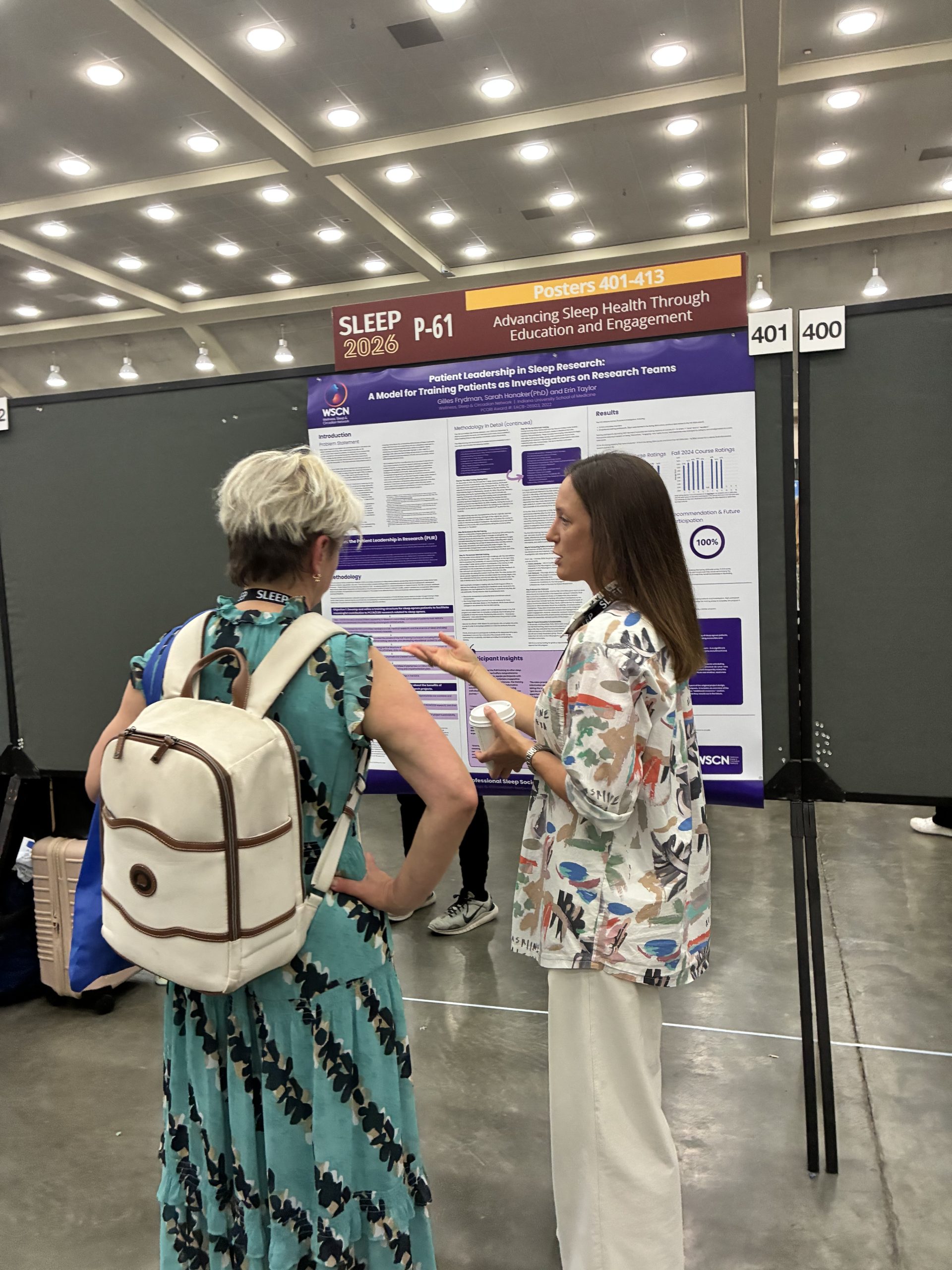
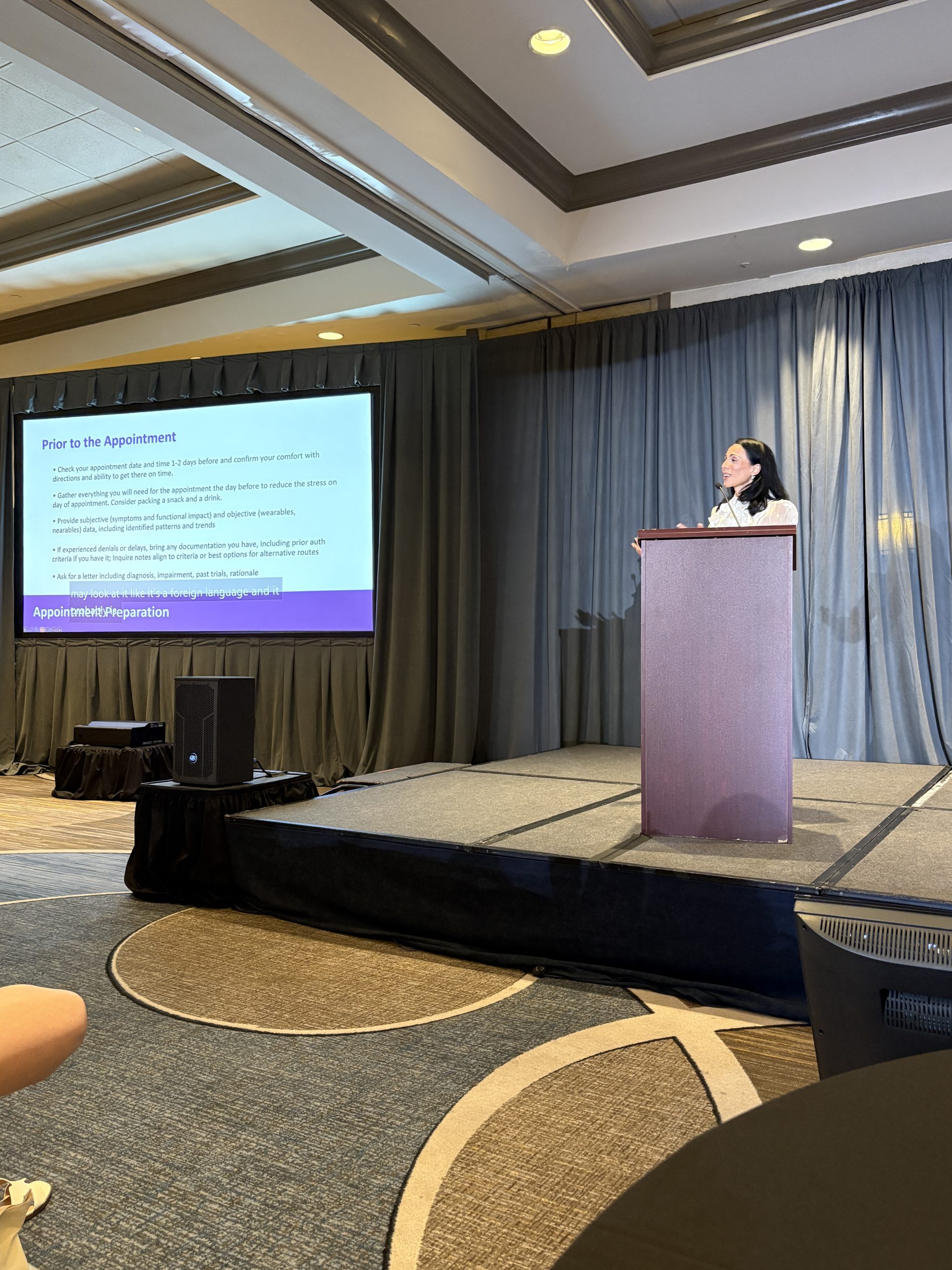
“WSCN’s generous support made it possible for me to attend #BeyondSleepy and SLEEP 2026, where I learned about promising new treatments and ensured the patient voice was heard. Their investment gave me hope, knowledge, and the opportunity to advocate for better care for everyone living with narcolepsy.”
“My biggest takeaway from SLEEP 2026 is that there is real progress happening. Narcolepsy and idiopathic hypersomnia are being discussed more frequently, more research is being conducted, and more people are paying attention to the needs of patients living with these conditions.”

















 “There’s no physical health without mental health. There’s neither without sleep. But when’s the last time your GP asked how you’re sleeping at your physical? That’s why we’ve tackled language and lexicon [about sleep and circadian health] as a key aspect of what we’re doing.”